


Actor portrayals.
Actor portrayals.
What to expect
When you receive TREGZI, your care team will be with you every step of the way
Actor portrayals.
Who may be involved in your care
Your team may include:
- Your oncologist, as well as doctors from other specialties
- Nurses, nurse coordinators, and nurse practitioners who may guide you through your treatment plan and make sure that you understand each step. They can also help you coordinate the logistics and connect you with additional support
- Physician assistants who may help with treatment
- Pharmacists who will prepare, dispense, and provide information about the medications you will be taking
Your team may also include a social worker or other counselors who can help you find ways to cope with the emotional aspects that come with having cancer and receiving treatment.
Here’s what happens before, during, and after your
transplant with TREGZI
Your care team will guide you through every step of the process.

Preparing your new cells
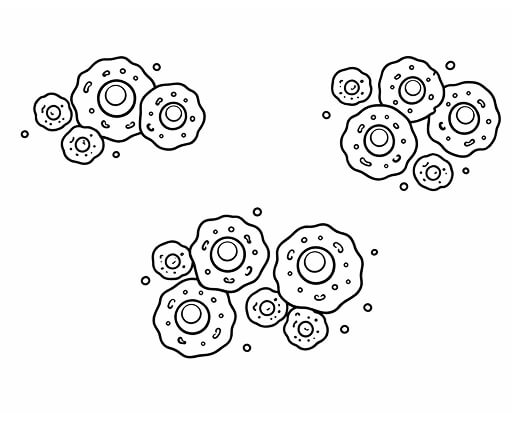
Three different types of cells will be precisely and intentionally selected from your donor cells and prepared for your transplant.
The goal is to administer the cells within 72 hours or less of being collected from the donor so that your transplant can happen as soon as possible.
Take a look at the 3 different cells you’ll receive during your transplant.

Preparing for your infusion
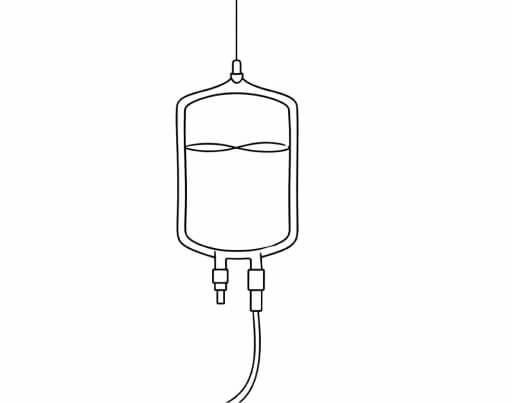
A few days before TREGZI is given, you will receive a course of chemotherapy and/or radiation, called a conditioning regimen. This is done to destroy as many of the cancer cells as possible and to purposefully weaken your immune system so that it accepts the new cells.

Getting your TREGZI
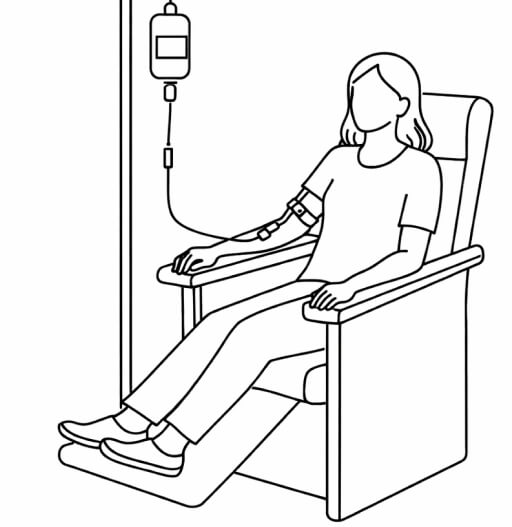
On transplant day (Day 0), you’ll receive 2 infusions:
- HSPCs, the starter cells that will grow into the needed red blood cells, white blood cells, and platelets
- Tregs, the immune system cells that suppress certain actions of the donor cells to help prevent GVHD
2 or 3 days later (Day +2 or +3):
You’ll receive Tcons. These cells will multiply and move through your bloodstream to identify and destroy infected cells and cancer cells that they find.
Getting TREGZI, step-by-step
1
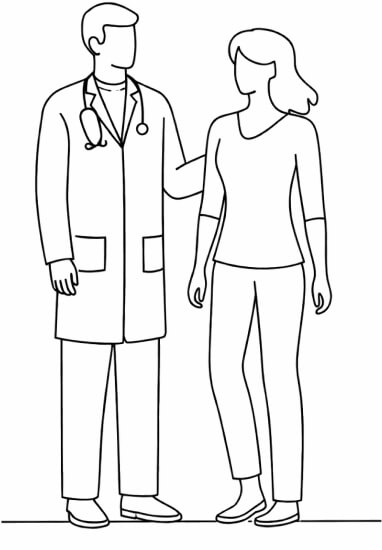
The search for a donor may begin shortly after diagnosis
2
A healthy donor is found and donor cells are collected

3
TREGZI is made for your transplant
4
A few days before TREGZI is given, you will receive a conditioning regimen to prepare your body to accept the new cells
5
On the first day of transplant, you will receive the first 2 types of your carefully selected donor cells, the HSPCs and the Tregs
About 2 to 3 days later, you’ll receive the third type of donor cells, the Tcons
After your transplant
Following the transplant, you’ll need to stay either in the hospital or very close by so that you can be monitored.
 Blood tests will be performed to:
- Check that the new cells have successfully moved into your bone marrow and begun producing new, healthy blood and immune cells (called engraftment)
- Make sure that your organs (kidneys, liver) are working the way they should
 Additionally, your temperature may be taken, because having a fever can be a sign of infection. You may also be asked about any other side effects that you may be experiencing.
Actor portrayal.
